M6 Walsall Birmingham Lanes Closure: Latest Updates and Traffic Tips
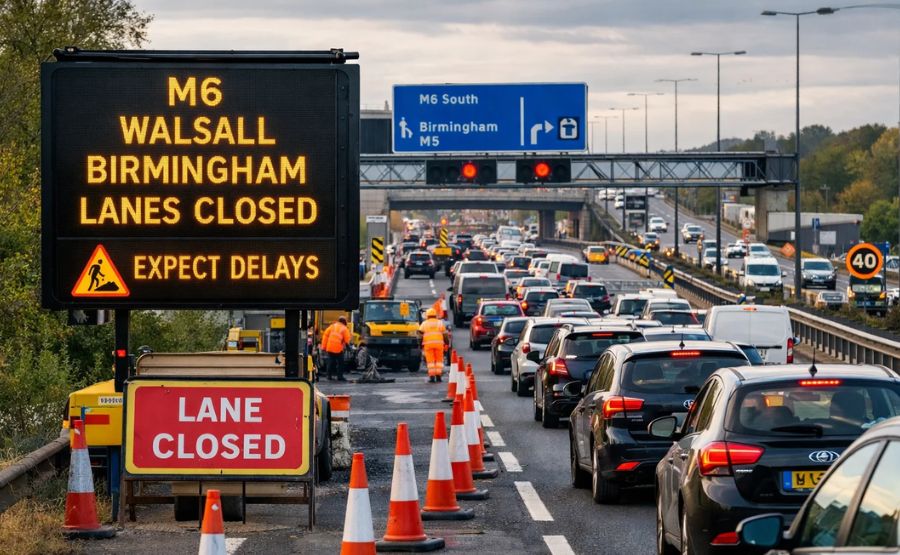
M6 walsall birmingham lanes closure: The M6 between Walsall and Birmingham is one of the busiest stretches of motorway in the West Midlands. If you drive this route regularly, you’ve probably noticed how quickly traffic can slow down. Lane closures here aren’t rare—they happen all the time due to accidents, breakdowns, maintenance work, or long-term upgrades. Even closing just one lane can turn a short drive into a long, frustrating wait.
This part of the motorway connects major routes like the M54, A454, and local roads into Birmingham. Because so many vehicles share these lanes, any disruption spreads fast. Commuters heading to work, freight trucks delivering goods, and local drivers all feel the impact. A small incident during rush hour can create traffic jams that stretch for miles, adding half an hour—or more—to your journey.
The good news is that knowing what causes lane closures, which sections are most affected, and how to plan around them can save you time and stress. In this article, we’ll walk you through the latest traffic updates, the busiest junctions to watch, alternative routes, and safety tips. By the end, you’ll have practical advice to make driving this busy corridor more predictable and less stressful.
What the Lane Closures Mean for Drivers
Driving on the M6 between Walsall and Birmingham can feel unpredictable, especially when lanes are closed. This stretch is used by commuters heading into Birmingham, freight trucks delivering goods, and local traffic all sharing the same road. Even closing one lane reduces the road’s capacity, forcing cars to merge and slowing traffic dramatically. A short delay in one spot can quickly turn into a long queue that stretches for miles.
In real life, it works like this: imagine four lanes carrying steady traffic. Suddenly, one lane is closed for an accident or maintenance. Cars from that lane have to squeeze into the remaining lanes. Drivers brake and adjust, which creates a ripple effect behind them. Each car slowing slightly adds up, and the traffic wave can reach far beyond the closure itself.
These slowdowns are worse near busy junctions, like Junction 10 and 10A, where vehicles are entering and exiting constantly. During peak hours, even a brief closure can add 30 to 45 minutes to your journey. The queue might continue building even after lanes reopen, affecting everyone traveling in that area.
Why Lanes Close on the M6
Lane closures happen for several reasons, and understanding why can help you anticipate delays and plan your journey better. Some closures are unexpected, like accidents or vehicle breakdowns, while others are planned for maintenance or long-term upgrades. Each type affects traffic differently, but all have one thing in common: they reduce the number of lanes available, which creates congestion.
Accidents and Breakdowns
Accidents and vehicle breakdowns are the most unpredictable causes of lane closures. When a car or lorry stops in a lane, it instantly becomes a bottleneck. Multi-vehicle crashes make it worse, sometimes forcing the closure of multiple lanes while emergency services respond and clear the scene. Even a single broken-down car can cause long queues stretching for miles.
In practical terms, drivers approaching the scene will slow down, merge, and adjust repeatedly. Emergency vehicles and recovery trucks often need space, which means traffic officers may close additional lanes temporarily. What might look like a small delay at the closure point often becomes a major traffic jam that affects surrounding routes. These incidents can happen at any time, so being aware of live traffic updates is essential for avoiding surprises.
Road Maintenance and Repairs
Planned maintenance work is another common reason lanes close on the M6. This includes resurfacing roads, repairing bridges, replacing barriers, or fixing signage. While most maintenance is scheduled overnight to minimize disruption, some work extends into early mornings or late evenings, affecting commuters and long-distance drivers.
For example, resurfacing between Junctions 6 and 10 often closes one or two lanes for several nights. Even if the work is necessary to keep the motorway safe, drivers heading to work in the morning may face long queues. Maintenance work is also scheduled in phases, so the affected lanes can change over multiple days. Real-life experience shows that ignoring notices about maintenance often results in getting stuck in delays that could have been avoided with a slight change in travel time.
Major Infrastructure Upgrades
Long-term infrastructure projects can also lead to lane closures. These include major junction improvements, widening slip roads, or installing new motorway features like smart traffic monitoring systems. Such projects often require phased closures that last weeks or months, depending on the scale of the work.
Even after the main project finishes, follow-up tasks like electrical upgrades, minor resurfacing, or bridge inspections may continue. Think of it like a building renovation: the structure is mostly done, but finishing touches keep parts of the site blocked for safety. For drivers, this means recurring closures and temporary slowdowns, even when the big work seems complete. Planning your travel around known upgrade schedules can reduce stress and avoid unnecessary delays.
The Busiest Sections and Junctions to Watch
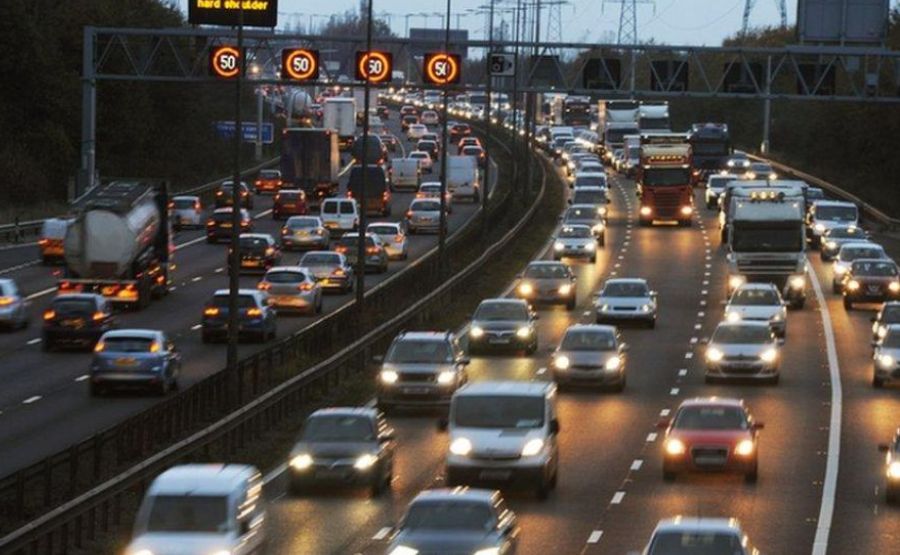
Not all parts of the M6 are equally prone to slowdowns. Some sections see delays almost every day, and knowing where these hotspots are can help you plan your journey. Junctions 10 and 10A, near Walsall, are the most well-known trouble spots. These junctions connect the M6 to the M54, the A454, and local roads. Because traffic is constantly entering and exiting, even a small lane closure here can create long queues that stretch for miles. Drivers often find themselves merging multiple times within a short distance, which amplifies delays.
Junction 7, near Birmingham North, is another critical section. Here, vehicles join the motorway from several local and regional roads, which means a closure or slowdown can ripple quickly along the M6. Even minor incidents in these areas can affect thousands of drivers, especially during morning or evening rush hours. Traffic doesn’t just stop at the closure—it often spreads north toward the M54 or south toward central Birmingham, impacting surrounding routes and local streets. Understanding these key junctions helps you anticipate where delays are most likely and make smarter route choices.
Traffic Delays You Can Expect
Traffic delays on the M6 between Walsall and Birmingham depend heavily on the time of day. Early morning commuters may see traffic building quickly, as everyone heads into the city or onto regional routes. Midday travel is generally smoother, with moderate slowdowns if lane closures are in place. Evening rush hours, however, are often the worst. Even a brief closure during this time can turn a typical 20-minute drive into a long, frustrating hour on the motorway. Overnight traffic is usually lighter, but roadworks or maintenance can still create temporary delays.
Delays often start miles before the actual lane closure. Drivers approaching the incident naturally slow down, which causes a ripple effect that continues even after the lanes reopen. Real-life experience shows that traffic waves from minor incidents can affect surrounding junctions, local roads, and even feeder motorways. Being aware of the usual patterns can help you plan your journey, whether that means leaving earlier, later, or using alternate routes.
| Time of Day | Typical Impact |
| Early Morning | Fast buildup of commuter traffic |
| Midday | Moderate congestion |
| Evening Rush | Heavy delays possible |
| Overnight | Minimal unless roadworks are active |
Alternative Routes and Diversions
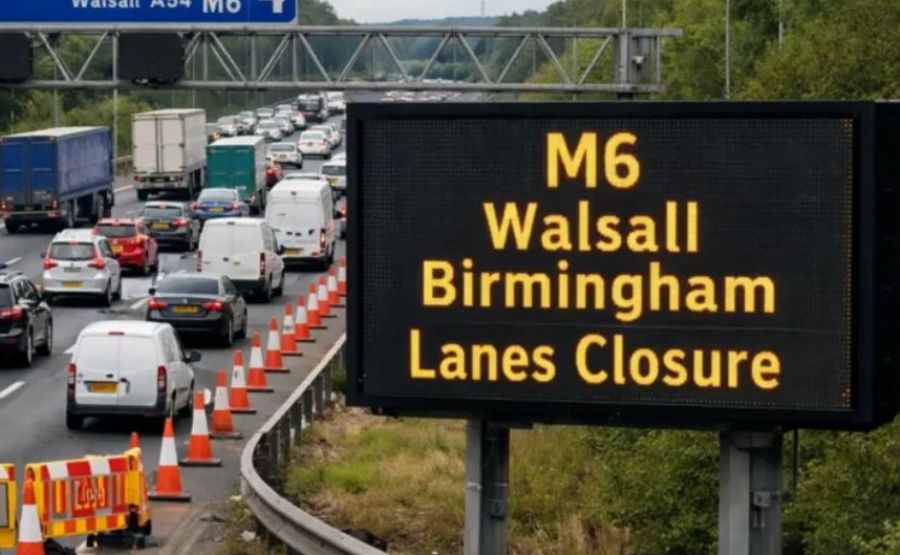
Knowing alternative routes is essential if you want to avoid getting stuck during M6 lane closures. The A454 and local roads are often the first choice for drivers heading toward Walsall. They can help you bypass the main closure, but they can also get congested quickly because everyone else may be using the same detour. The M54 link is another option for traffic heading toward Telford. It’s a useful bypass for northbound traffic, but it may add a few extra miles depending on your starting point.
For drivers willing to pay, the M6 Toll offers a faster option during heavy congestion. It bypasses the busiest sections and usually keeps traffic moving. However, it’s important to check live traffic updates. Sometimes, staying on the main motorway is quicker than taking local roads clogged with diverted traffic. Navigation apps with real-time congestion info can help you make the right choice in the moment. Planning your route carefully can save significant time and reduce stress.
Safety and Smart Motorway Measures
Driving safely during lane closures on the M6 is essential for both you and the workers maintaining the road. Authorities use cones, barriers, and temporary speed limits to create a safe space around blocked lanes. These measures guide drivers and reduce the risk of secondary accidents. Traffic officers often patrol the motorway, helping manage flow and responding to incidents. Following the posted speed limits is crucial. It’s not just a legal requirement—it actually helps traffic move more smoothly and prevents further crashes. Think of the cones and signs as a moving protective wall. They give you room to merge safely and allow emergency or maintenance vehicles to operate without obstruction. In real life, drivers who ignore temporary limits or weave through cones tend to worsen delays for everyone, while those who follow instructions pass through closures more quickly and safely. Temporary lane closures might feel frustrating, but they’re designed to protect everyone on the motorway. By respecting speed limits, keeping a safe distance, and paying attention to signage, you can reduce your risk and help traffic clear faster.
How Smart Motorways Help
Parts of the M6 near Birmingham operate as smart motorways, which use technology to manage traffic during lane closures. Overhead signs display variable speed limits, lane closures, and warnings in real time. CCTV cameras monitor traffic flow, spotting breakdowns or accidents quickly. Emergency areas are provided as safe zones for drivers if a vehicle stops in a lane. While smart motorway systems can’t prevent lane closures or traffic delays entirely, they make disruptions more predictable. For example, if a lane closes due to a broken-down lorry, overhead signs immediately warn drivers and reduce speed limits, helping traffic adjust gradually instead of stopping abruptly. Lane control signals also clearly indicate which lanes are open or closed, reducing confusion and collisions. In practice, these systems allow emergency crews to reach incidents faster, while other lanes continue moving at safer, controlled speeds. Many drivers notice that even during closures, smart motorway sections feel calmer than areas without technology.
How to Minimise Delays
There are practical steps you can take to reduce frustration and keep your journey smoother. Checking live traffic updates before you leave is the easiest way to avoid unexpected closures. Real-time navigation apps can show lane closures, congestion, and suggested alternative routes, helping you adjust your drive on the fly. Traveling outside peak hours, whenever possible, can save significant time, especially on the M6 between Walsall and Birmingham. Even small changes, like leaving 15–20 minutes earlier, often allow you to bypass the worst queues. For instance, a commuter recently avoided a 30-minute delay by leaving slightly ahead of the usual rush, demonstrating how timing matters more than distance. Allowing extra travel time during planned roadworks or maintenance periods is another simple but effective tip. Being patient, keeping a safe distance, and staying aware of signage and traffic officers’ instructions all contribute to a smoother journey. These small adjustments may seem minor, but over time they significantly reduce stress and help you reach your destination faster.
Why This Section Stays So Congested
The stretch of the M6 between Walsall and Birmingham is always busy. Daily commuters, freight trucks, and regional traffic all share the same lanes, creating heavy demand. Large vehicles, like lorries and delivery trucks, take up more space, move slower, and place extra stress on the road surface. Because of this high traffic volume, the motorway operates near its full capacity most days. Any small disruption—whether an accident, breakdown, or lane closure for maintenance—spreads quickly along the corridor. Even minor incidents at key junctions can cause backups that ripple miles north or south. Think of it like pouring too much water into a narrow pipe: any blockage causes overflow. Well-designed junctions can only handle so much traffic, and during peak hours, even small disruptions create large backups. For drivers, this means delays are almost inevitable at certain times. The combination of heavy commuter, regional, and freight traffic means that the motorway has little room to absorb extra vehicles, and lane closures amplify the congestion. Understanding this helps set realistic expectations when planning trips through this busy section.
Final Words
The M6 between Walsall and Birmingham is one of the busiest motorway stretches in the West Midlands. Lane closures here—caused by accidents, breakdowns, maintenance, or long-term upgrades—can turn a short drive into a frustrating wait. Even closing a single lane creates a ripple effect, as drivers merge and adjust, often causing queues that stretch for miles.
Junctions 10, 10A near Walsall, and Junction 7 near Birmingham North are major hotspots. Traffic entering and exiting here magnifies delays, especially during peak hours. Smart motorway technology helps by using overhead signs, variable speed limits, and CCTV monitoring to manage flow and warn drivers early.
To reduce delays, check live traffic updates, travel outside rush hours if possible, and consider alternative routes like the A454, M54 link, or the M6 Toll. Understanding why lanes close and planning ahead can save time, reduce stress, and make your journey on this busy corridor far more predictable and safer.
Keep exploring more real stories with Sharp Magazine.