
Maureen Wilson: The Life Behind Robert Plant’s Iconic Rock Story
Maureen Wilson is a name many people recognize because she was married to Robert Plant, the legendary lead singer of Led Zeppelin. But her story goes far beyond that. She has lived a life marked by resilience, quiet strength, and devotion to her family. From her early years in England to her time in the public eye, Maureen faced challenges that would have shaken anyone—loss, accidents, and the pressures of being close to fame. Yet, she navigated it all with grace and determination, choosing privacy and personal growth over the spotlight.
Her life shows how someone can support a partner through the highs of success while maintaining their own identity. She’s more than a footnote in rock history—she’s a woman who built stability, nurtured her children, and stayed true to her values. This article explores the key moments that shaped Maureen Wilson’s path and the lessons her journey offers anyone seeking strength and balance in life.
Who Is Maureen Wilson?
You’ve probably heard Maureen Wilson’s name because she was married to Robert Plant, the lead singer of Led Zeppelin. But her life is much more than that. Maureen has quietly built a life defined by strength, resilience, and devotion to her family. She faced loss, public attention, and personal challenges with calm and dignity.
Even before fame entered her world, Maureen had a steady character. Friends and family often describe her as calm under pressure, thoughtful, and fiercely protective of her loved ones. These qualities helped her navigate a life closely connected to one of rock’s biggest stars, without losing herself.
What’s remarkable is how she kept a sense of normalcy despite the chaos around her. She didn’t chase the spotlight or crave public validation. Instead, she focused on what mattered: family, personal growth, and supporting the people she cared about.
Early Life and Family Background

Maureen Wilson was born on November 20, 1948, in West Bromwich, England. Her family came from Goa, India, giving her a rich cultural heritage that blended Indian and British influences. Her father had a distinguished career, first serving in the Calcutta Mounted Police and later running a steel factory in Birmingham. This mix of discipline, hard work, and adaptability created a household where values like perseverance, honesty, and dedication were expected and nurtured from an early age.
From childhood, Maureen was surrounded by the sights, sounds, and flavors of her Indian heritage. Traditional music often filled the home, while meals carried the distinct spices and recipes of her family’s past. At the same time, she attended school in England and participated in British culture. This combination helped her develop a unique perspective on life: she learned to honor her roots while confidently navigating the wider world around her.
Education and curiosity were also central to her upbringing. Maureen explored her neighborhood, asked questions, and helped her parents with everyday tasks. She developed an early sense of responsibility and independence, while her family encouraged her to remain humble and thoughtful. Growing up in a household that valued both heritage and learning laid the foundation for her resilience, emotional intelligence, and adaptability—qualities that would later support her through the challenges of public life and personal hardships.
Childhood and Cultural Roots
Maureen’s childhood was a careful balance between tradition and exploration. At home, her parents celebrated Indian festivals with joy and attention to detail. They taught her the meaning behind each ritual, sharing stories and lessons from their heritage. Meals were more than nourishment—they were moments for family togetherness, cultural storytelling, and the passing down of recipes and traditions. These experiences gave Maureen a deep appreciation for her roots and a strong sense of identity from a young age.
Outside the home, she attended school and mingled with peers from different backgrounds. Navigating British culture alongside her Indian upbringing helped her develop flexibility and social awareness. She learned early how to adapt to new environments, understand different perspectives, and appreciate diversity. These lessons would prove valuable later, when she entered the public eye and faced pressures from fame and scrutiny.
Her relationship with her younger sister, Shirley, was another defining aspect of her childhood. They shared adventures, helped each other through challenges, and formed a lifelong bond rooted in trust and empathy. Growing up with a close sibling taught Maureen patience, cooperation, and emotional awareness. She learned that support and understanding were as important as individual achievement.
Meeting Robert Plant
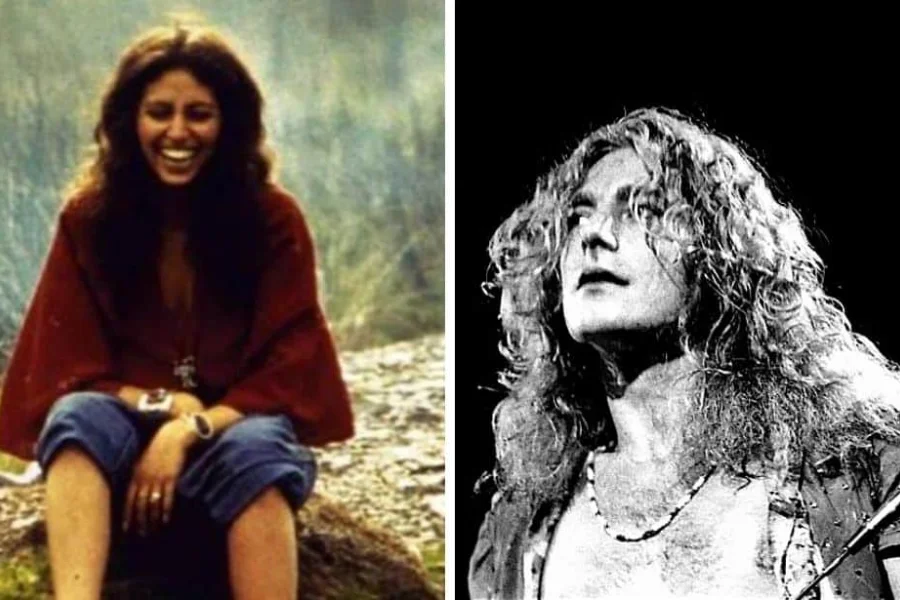
In 1966, Maureen Wilson attended a concert by British R&B singer Georgie Fame, not knowing that her life was about to change. That night, she met Robert Plant. From the very first interaction, there was a spark. Robert was still finding his way in the music world, playing small gigs and dreaming of something bigger. Maureen, on the other hand, had a steady life as a nurse and a close-knit family. Despite their different worlds, they connected instantly.
Robert quickly became a familiar presence in Maureen’s family home. Her parents welcomed him warmly, offering not just hospitality, but a glimpse into their Indian traditions and values. Robert experienced a sense of belonging he had rarely felt before. Sharing meals, family stories, and cultural practices gave him a grounding he needed while trying to navigate the uncertain path of a budding musician. These early interactions strengthened their bond and created a safe space for both of them to be themselves.
As their relationship grew, it developed naturally and without pressure. They discovered shared values, similar interests, and a deep respect for each other’s goals. For Robert, Maureen became a stabilizing presence. She offered support, understanding, and quiet guidance that allowed him to focus on his music without being overwhelmed by uncertainty. For Maureen, Robert’s ambition and passion were inspiring. She admired his dedication and found herself drawn to his energy and creativity.
Life with Robert Plant
As Maureen and Robert’s relationship deepened, Maureen became more than just a partner—she became his rock. While Robert’s music career was taking off, she continued her work as a nurse and managed their home with care and dedication. Her presence offered stability in a world that was rapidly changing around them. Fame was beginning to knock at their door, but Maureen focused on creating a steady, loving environment. She balanced practical responsibilities with emotional support, helping Robert stay grounded while pursuing his dreams.
Her influence went beyond daily routines. Maureen provided emotional balance when life in the public eye became overwhelming. She offered perspective, encouragement, and quiet guidance, allowing Robert to focus on his music without losing touch with what mattered most. Together, they built a partnership based on trust, shared responsibilities, and mutual respect. Their bond showed how love and teamwork can sustain a relationship even amid intense pressure.
Marriage and Children
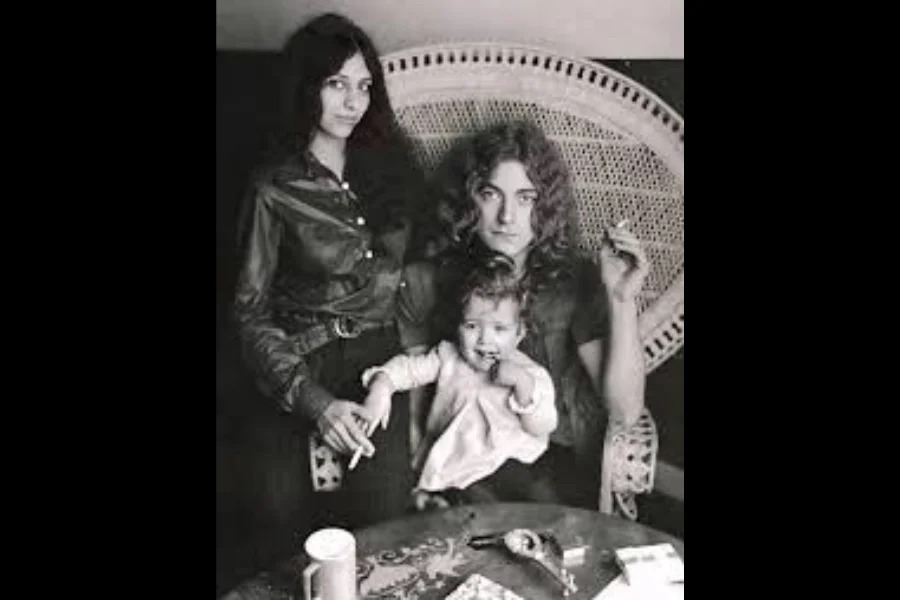
Maureen and Robert married in 1968, shortly before their first child, Carmen, was born. Over the next decade, they had two more children: Karac in 1972 and Logan in 1979. Despite Robert’s growing fame with Led Zeppelin, Maureen created a home filled with routines, care, and stability. She prioritized family meals, school responsibilities, and everyday joys, giving their children a sense of normalcy despite their father’s public life.
She managed to balance her personal life, Robert’s career demands, and the needs of their children. Even while Robert was touring internationally, Maureen’s home remained a constant safe space. She nurtured each child, teaching values like responsibility, compassion, and resilience. This stability allowed the family to stay connected, grounded, and emotionally supported even when life outside the home was chaotic.
Tragedy and Challenges
Life with fame also brought heartbreak. In 1977, their six-year-old son Karac passed away. The loss shook the family deeply, testing Maureen and Robert’s emotional strength. While this tragedy was devastating, it also drew the couple closer, highlighting their mutual reliance and love.
Later in the 1970s, Maureen faced another life-changing event—a near-fatal car accident while traveling with Robert and their children. She suffered severe injuries, including a fractured skull and pelvis, and endured a long, painful recovery. This experience tested her physically and emotionally, but she remained determined to heal and maintain her family’s stability. Her resilience in the face of danger and loss became a defining trait.
Divorce and Life After Robert Plant
In 1982, after 14 years of marriage, Maureen Wilson and Robert Plant decided to divorce. While ending their romantic relationship was difficult, they approached it with care and mutual respect. Both remained committed to co-parenting their children, Carmen and Logan, ensuring that family stability stayed a priority. Despite the emotional challenges, Maureen focused on maintaining a sense of normalcy for her children. She showed that even after a major life change, it’s possible to protect loved ones and preserve dignity.
After the divorce, Maureen deliberately stepped away from the public eye. She chose privacy over publicity, avoiding media attention and celebrity circles. Instead, she devoted her energy to her home, her children, and her own personal growth. By doing so, she rebuilt her identity independent of her connection to fame. This period of her life demonstrated that fulfillment doesn’t always come from recognition or approval from others. Instead, it can come from creating a calm, supportive environment for yourself and your family.
Through patience, focus, and self-discipline, Maureen transformed what could have been a painful chapter into a period of empowerment. She proved that it’s possible to move forward with confidence, maintain personal values, and build a life rooted in stability and love.
Personal Growth and Relationships

After her divorce, Maureen briefly dated Ian Hatton, a guitarist from the band Bonham. However, she avoided public attention and media coverage. Instead of seeking recognition, she focused on maintaining independence, stability, and a peaceful life for her children. Her priorities were clear: family first, self-care second, and public attention last.
During this time, Maureen’s life demonstrated how relationships can evolve. She showed that strength isn’t always about being seen or praised—it’s often about making choices that preserve your well-being and the well-being of those you love. She cultivated routines, personal interests, and a calm environment, allowing her family to thrive away from the pressures of fame. Her example shows that independence and personal growth can coexist with love and care for others.
By taking ownership of her life and decisions, Maureen set an example of resilience and quiet leadership. She prioritized what mattered most—her children, her home, and her sense of self—while letting go of the need for external validation. Her journey highlights that happiness is often built in private, steady steps rather than public moments.
Maureen Wilson’s Influence and Legacy
Maureen Wilson’s influence goes far beyond being Robert Plant’s partner. One of Led Zeppelin’s most beloved songs, “Thank You,” was inspired by her. The lyrics reflect Robert’s gratitude for her support, showing how her presence shaped his creativity. While the public often notices fame, Maureen’s quiet encouragement played a crucial role in giving Robert the confidence to explore his musical talent. Without her grounding influence, his early career might have been far more challenging.
Her impact wasn’t limited to music. Maureen demonstrated that strength doesn’t always need to be loud. Through personal resilience, loyalty, and emotional intelligence, she built a life that left a lasting impression on those around her. She managed family responsibilities, provided emotional support, and navigated life’s hardships with grace, proving that influence is often invisible but deeply felt. Her story is a reminder that the people who quietly support others can leave legacies just as meaningful as those in the spotlight.
By balancing care for her family with support for Robert’s career, Maureen showed how meaningful contributions often happen behind the scenes. She became a model for resilience, emotional maturity, and quiet leadership—qualities that matter long after the public applause fades.
Where Is Maureen Wilson Today?

Today, Maureen Wilson lives a quiet and private life, far from public attention. She focuses on her family, her personal well-being, and the simple joys that come from everyday life. By choosing privacy and peace over fame, she demonstrates that life after public attention can be rich, meaningful, and fulfilling. Her priorities reflect a conscious choice to value relationships, stability, and personal growth over public recognition.
Her story reminds us that contentment isn’t measured by visibility or celebrity. Instead, it comes from living according to your values, maintaining close bonds, and making thoughtful choices. Maureen has crafted a life defined by her own standards, not by the spotlight surrounding someone else. By maintaining focus on what truly matters, she created a legacy of resilience, independence, and quiet courage.
Even without public acknowledgment, Maureen’s journey is inspiring. She shows that a life centered on personal fulfillment, family, and inner strength can be as rich—or richer—than one filled with fame and headlines. Her example offers a powerful lesson for anyone navigating change, loss, or the pressures of life in the public eye.
Final Words
Maureen Wilson is often recognized as Robert Plant’s ex-wife, the legendary lead singer of Led Zeppelin, but her story goes far beyond rock fame. She has lived a life defined by quiet strength, resilience, and devotion to family. From her early years in West Bromwich, England, to navigating the pressures of public attention, Maureen faced challenges that could have overwhelmed anyone—tragedy, accidents, and the intense spotlight of celebrity life. Yet she managed to maintain her dignity, prioritize her children, and build a stable, nurturing home.
Her influence extended behind the scenes, shaping the life and career of one of rock’s most iconic figures while staying true to her own values. Maureen’s journey shows how strength, patience, and quiet leadership can leave a lasting impact. She reminds us that real fulfillment comes from supporting loved ones, embracing resilience, and living life according to your own principles—not the expectations of others.
Come back to Sharp Magazine for fresh stories that actually matter to you.