ğş: What It Means and Why It Matters
The aggregate “ğş” isn’t always an actual phrase in Turkish. It is definitely the pairing of two Turkish letters, “ğ” and “ş”, that have their personal wonderful sounds in the language. On their own, “ğ” softens the previous vowel, and “ş” is reported like “sh,” but together as “ğş,” they do not shape a significant word.
You frequently see “ğş” online because of typing assessments, keyboard practice, or textual content encoding errors. Sometimes, whilst copying and pasting text or using unique software programs, those letters can appear collectively by way of accident. It can also arise if a device does no longer properly understand Turkish characters, creating random combos like this.
Quickly, “ğş” has no dictionary meaning or cultural importance in Turkish. It is sincerely a result of keyboard enter or technical troubles, instead of intentional language use. Understanding this allows us to make clear why it seems in digital content without representing an actual phrase.
Introduction
The combination “ğş” has started performing greater regularly throughout web sites, forums, and typing assessments, catching the curiosity of net users. This uncommon pair of letters sticks out as it doesn’t exist in English and looks unusual to most human beings. Many first note it at the same time as the use of a Turkish keyboard, copying textual content from an internet site, or encountering formatting errors on-line. Its unusual appearance clearly makes humans wonder what it approaches.
Interest in ğş is likewise growing due to the upward push of language exploration. More customers are studying Turkish or other non-Latin alphabets, and letters like Ğ and Ş entice attention because they’re visually awesome and feature unique sounds. At the same time, virtual system faults, along with encoding mistakes or reproduction-paste troubles, could make these letters appear in surprising combos, which adds to the intrigue.
From an internet attitude, ğş is likewise tremendous in search developments. Because it is uncommon and no longer broadly used, content creators and analysts every so often discover it to understand user behavior and occasional-competition seek opportunities. This combination of language curiosity, digital quirks, and SEO hobby is why ğş continues appearing in on line searches.
See also “03316303180: Who Might Be Calling and Why“
What “Ğş” Actually Means
It’s critical to notice that ğş isn’t always an identified phrase in Turkish. It does not seem in dictionaries, nor is it used in ordinary speech or writing. Instead, it’s miles virtually two letters, Ğ and Ş, positioned together, frequently with the aid of twist of fate or via technical circumstances. Its price is visible and informational rather than linguistic.
This mixture often happens due to keyboard use. On Turkish layouts, those letters are placed near each other, so users may additionally press them together by chance. It also can seem while a person switches keyboards, experiments with Turkish typing, or encounters software that misreads character encoding. Older websites or improperly formatted text can also display ğş randomly as nicely.
Because ğş seems based, people every now and then anticipate it has meaning. In reality, it’s far from a random pairing of letters. Its significance lies in curiosity—it introduces humans to Turkish letters, highlights virtual conduct, and from time to time serves as a thrilling topic for content material creators exploring SEO traits. Simply positioned, ğş is a visible combination of letters rather than an actual word.
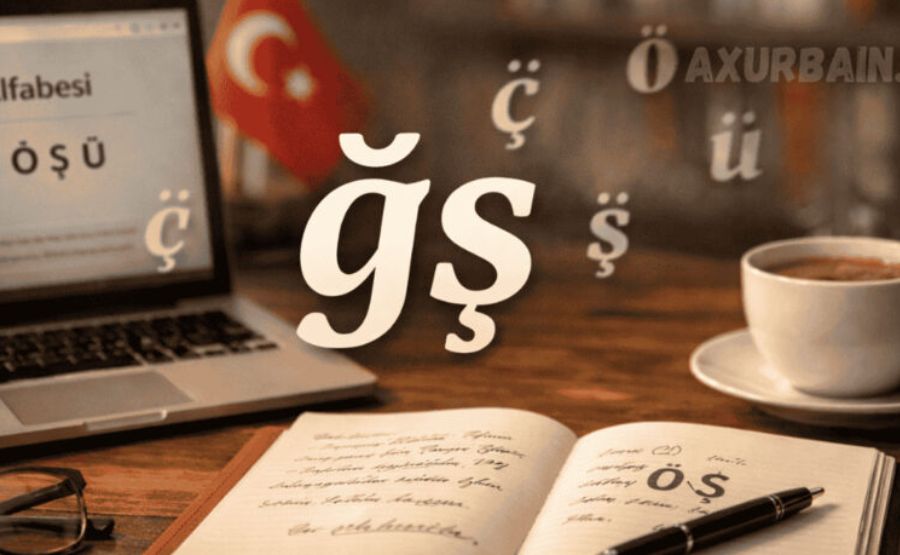
Understanding the Turkish Alphabet and Its Unique Letters
To draw close to why combinations like ğş seem or why effective Turkish letters stand out, it enables us to recognize the Turkish alphabet as an entire. The Turkish alphabet has 29 letters and is based totally on the Latin script, but it differs from English in several key techniques. For example, it does not encompass Q, W, or X, however it incorporates special characters consisting of Ç, Ğ, Ö, Ş, and Ü. These letters constitute specific sounds which may be essential to correct pronunciation in Turkish.
Turkish is a phonetic language, which means every letter constantly represents the same sound. Once someone learns the alphabet, they’ll commonly pronounce any word correctly, even though they’ve in no way seen it in advance. This makes Turkish much less tough to read and pronounce in contrast to English, wherein a single letter may have more than one sound counting on the word.
The unique letters aren’t decorative—they’ll be vital. Characters like Ğ and Ş exist because of the truth famous Latin letters can’t completely specific Turkish phonetics. Without them, pronunciation ought to emerge as dubious, and the meanings of phrases can also additionally alternate. These letters supply Turkish with its great rhythm and clarity, making the language specific, based, and clean to apprehend as soon as its policies are recounted.
The Letter Ğ – The Soft and Silent Consonant
One of the maximum special letters in Turkish is Ğ, frequently known as “yumuşak g”, which interprets to gentle g. Unlike most consonants, Ğ does not have a robust, unbiased sound. Instead, it modifies the vowel that comes earlier than it, developing a smoother and greater natural flow in speech.
Ğ never appears at the beginning of a word. It is usually located in the center or close to the end. Its important function is to lengthen or melt the preceding vowel, in place of producing its own consonant sound. For instance, the “a” in the word “dağ” is lengthened, making it seem more like “daa.” In “soğuk”, the vowel will become softer and greater elongated, generating a fluid and herbal pronunciation.
Sometimes, specifically after front vowels, Ğ creates a gentle go with the flow between sounds. For example, “eğitim” can be stated like “eyitim”, in which the transition between vowels feels seamless. This can be difficult for novices because it breaks the expectation that every letter needs to produce an awesome sound. However, Ğ’s subtle position is critical—it shapes the rhythm of Turkish, making speech sound smooth and melodic.
How Ğ Shapes Pronunciation and Smoothness in Words
The letter Ğ performs a diffused but important function in Turkish pronunciation. Its effect depends on the vowels around it. After returned vowels like a, ı, o, and u, Ğ normally lengthens the vowel, giving speech a relaxed, flowing tone. Following the front vowels inclusive of e, i, ö, and ü, it regularly creates a gentle drift, connecting sounds easily without breaking the rhythm of the word.
In some instances, Ğ appears nearly silent, but it still courses how the phrase is spoken. It influences timing, spacing, and rhythm, ensuring that speech feels herbal and balanced. Removing Ğ from a word can make it sound shorter, harsher, or less fluid. This shows that even when a letter doesn’t produce an awesome sound, it can nevertheless have a sturdy effect on pronunciation. Understanding Ğ enables rookies see how Turkish carefully shapes the flow of words.
In combinations like ğş, each letters paintings collectively visually and phonetically in text, even though Ğ itself remains silent. This pairing is regularly seen in typing, language physical activities, or online textual content, and it highlights the precise characteristics of the Turkish alphabet.
The Letter Ş – The Clear and Consistent “Sh” Sound
Unlike Ğ, Ş is straightforward and smooth to apprehend. It represents the “sh” sound, similar to English phrases like “shoe” or “ship.” Its pronunciation is steady, making it easy for freshmen to apply effectively.
Ş can appear at the beginning, center, or stop of terms. Examples encompass “şeker” (sugar), “şehir” (town), and “şarkı” (music). No count number its function, the sound stays the same, which makes it predictable and reliable.
Though it is easy to pronounce, Ş is critical for meaning. Replacing it with an easy S can absolutely trade a phrase, which can lead to false impressions. This suggests how even small versions in letters like Ğ and Ş deliver massive weight in Turkish.
In combos like ğş, Ş brings clarity and sound to the pairing, even as Ğ shapes the go together with the drift silently. Together, they illustrate the balance between visible and subtle elements in Turkish writing and pronunciation.
Difference Between S and Ş – Small Change, Big Impact
In Turkish, the difference between S and Ş might also look minor, but it is able to absolutely alternate a phrase’s meaning. S produces a crisp, sharp “s” sound, even as Ş offers a softer “sh” sound, much like English “shoe.” This small visible distinction creates a substantial distinction in pronunciation.
Because Turkish is based on particular spelling, swapping S for Ş—or vice versa—can flip one word into every other with a completely different meaning. For example, “sak” and “şak” look comparable but sound extraordinary and bring wonderful ideas. Paying interest to those info is important for reading, writing, and clean verbal exchange in Turkish.
This distinction also topics on line. Using the wrong letter in digital content or search engine optimization can confuse readers and affect seek outcomes. Correctly writing Ş guarantees clarity, preserves the authentic meaning, and demonstrates accuracy and appreciation for the language.
Comparing Ğ and Ş – Subtle Flow vs Clear Sound
When analyzing Ğ and Ş together, their roles in Turkish emerge as obvious. Ğ is smooth, frequently silent, and in particular influences the vowels round it, shaping the rhythm and waft of words. In contrast, Ş produces a strong, clean “sh” sound that is regular and easy to recognize. One specializes in smoothness, while the opposite emphasizes clarity.
Ğ in no way appears at the start of words, even as Ş can appear anywhere—beginning, middle, or end. Despite their variations, both are essential. Together, they illustrate the structure and precision of Turkish.
In combos like ğş, the letters highlight this stability. Ğ subtly courses the drift and timing of speech, whilst Ş provides an exact sound that is straightforward to become aware of. Understanding each letter offers rookies a deeper insight into Turkish, showing how small info makes a contribution to which means, rhythm, and expressiveness inside the language.
Why “ğş” Appears Frequently Online
The mixture “ğş” frequently appears on the net for several sensible motives. On Turkish keyboards, the letters Ğ and Ş are placed close collectively, so it’s clean to press them by accident. Many users might also kind them aspect by way of aspect without proceeding to shape a word, which explains why this mixture suggests up in forums, social media posts, or typing sporting activities.
Another factor is language or keyboard switching. When a tool movements among one of a kind keyboard layouts, the same keys can produce specific characters. This can create surprising combos like ğş, in particular while typing fast or without noticing the active layout.
Copying and pasting textual content can also generate this pair. If a website or file doesn’t take care of special Turkish characters well, letters may additionally seem in uncommon combinations. Broken or improperly formatted text regularly leads to ğş displaying up in places where it doesn’t belong, sparking curiosity among customers who stumble upon it online.
Encoding Issues and Why Turkish Letters Sometimes Break
Text encoding determines how computers show letters and symbols. Older or incompatible encoding structures often cannot cope with unique Turkish characters like Ğ and Ş. When this takes place, those letters may also appear as random symbols, boxes, or scrambled text that could create combos like ğş.
Modern encoding standards, which includes UTF-eight, resolve those issues by means of helping a huge range of world characters. Websites and programs that use proper encoding display Turkish letters successfully, keeping readability and clarity.
Understanding how encoding works explains why customers frequently see bizarre combos on-line. It highlights the significance of current systems for correct illustration of Turkish textual content and ensures that letters like Ğ and Ş appear as supposed, preventing confusion in multilingual virtual environments.
How to Use Any Device to Type Ğ and Ş
Typing Turkish letters like Ğ and Ş is straightforward as soon as the methods for one-of-a-kind devices. On Windows, enabling the Turkish keyboard layout permits direct right of entry to these characters, making typing smooth and accurate. On Mac, maintaining down a letter key brings up a menu with unique versions, so that you can choose Ğ or Ş speedy.
Mobile gadgets additionally make it simple. By urgent and maintaining a letter, users can see more than one option, which includes Turkish characters, and pick out an appropriate one. This characteristic works across iOS and Android gadgets, ensuring that typing stays speedy and convenient.
Using these letters effectively improves spelling, professionalism, and readability. It also guarantees that content displays properly on all structures, which is important for verbal exchange, documentation, and on-line publishing.
SEO Potential of “ğş” as a Low-Competition Keyword
The aggregate “ğş” holds a specific price inside the world of search engine optimization as it faces little or no opposition. Content proposing this keyword can rank speedy, making it a beneficial device for testing seek engine behavior or knowledge indexing velocity.
Even though ğş no longer has a traditional meaning, it attracts curiosity. Users encountering it on-line often search for causes that could generate site visitors. For content creators and virtual entrepreneurs, this makes it an interesting key-word for experimentation and learning.
Using uncommon or uncommon keywords like ğş permits creators to explore how search engines like google take care of non-fashionable queries and how users interact with unexpected content. It’s a practical manner to take a look at search styles and optimize content for low-competition opportunities.
Common Mistakes People Make with “ğş”
Many clients come across smooth errors while managing the combination ğş. A commonplace mistake is replacing Ğ with G or Ş with S, which changes how terms are pronounced and might alter which means if utilized in real Turkish phrases. Ignoring right textual content encoding is any other not unusual hassle, causing letters to show incorrectly or appear as symbols, packing containers, or scrambled textual content.
Another mistake is treating ğş as an actual word or overusing it in content. While it often seems online because of typing, encoding, or interest, immoderate use can reduce clarity and make text more difficult to study. Understanding the context of ğş and the use of it accurately ensures that content material remains accurate and expert.
By averting those errors, writers can improve conversation, preserve clarity, and preserve the integrity of the Turkish language in digital environments.
The Future of Unique Keywords Like “ğş” in Digital Search
As the net keeps getting bigger, unusual keywords like ğş are gaining importance. With more languages acting online, combos of letters that are visually or phonetically distinct obviously attract attention and interest.
These forms of key phrases offer opportunities for creative use, experimentation, and checking out in virtual marketing and content material strategies. Their rarity makes them memorable, clean to apprehend, and doubtlessly beneficial for branding, search engine marketing testing, or area of interest target audience engagement.
Looking beforehand, precise letter mixtures along with ğş are likely to play a larger role in search tendencies. They provide insights into how human beings discover language, engage with surprising content material, and reply to extraordinary or low-opposition keywords in online searches.
Conclusion
The aggregate ğş may seem unusual or meaningless at first glance, but it highlights several essential elements of the Turkish language, virtual verbal exchange, and on-line conduct. While it isn’t always a real phrase in Turkish, it demonstrates how letters like Ğ and Ş paintings personally and together, influencing pronunciation, rhythm, and readability. Its frequent appearance online is regularly the end result of keyboard layouts, reproduction-paste moves, or encoding errors in preference to intentional use.
Understanding ğş additionally provides perception into digital content material advent and search engine marketing. Rare or particular letter combos like this entice interest, provide low-competition keyword opportunities, and assist content creators discover search engine conduct. Proper use of those letters guarantees accurate communication, continues the integrity of Turkish text, and complements readability throughout devices.
Ultimately, ğş is more than just a random pairing of letters. It serves as a bridge between language getting to know, technical literacy, and digital exploration, showing how even small factors of a language can spark interest, schooling, and experimentation in online spaces.
FAQs
1. What does ğş mean in Turkish?
The combination ğş does not have a dictionary meaning in Turkish. It is in reality the pairing of two Turkish letters, Ğ and Ş, frequently acting because of typing mistakes, keyboard layouts, or encoding troubles.
2. Why do I often see ğş online?
You may also encounter ğş online because of unintended typing on Turkish keyboards, copying and pasting text, or virtual systems that misinterpret Turkish characters. It isn’t always a phrase but a result of technical or enter mistakes.
3. How do Ğ and Ş function in Turkish?
Ğ is a tender, typically silent letter that modifies the preceding vowel to create easy pronunciation, even as Ş produces a clean “sh” sound. Together, they illustrate the specific sounds and rhythm of the Turkish language.
4. Can ğş be used for SEO?
Yes, ğş may be used as a low-opposition key-word in virtual advertising. Its rarity makes it useful for testing seek engine conduct, knowledge indexing, and attracting interest-pushed traffic.
5. How can I type Ğ and Ş correctly on my device?
On Windows, permit the Turkish keyboard format for direct entry to those letters. On Mac, press and preserve a letter to choose its Turkish version. Mobile devices permit long-pressing a letter to pick Ğ or Ş from the alternatives.
Keep exploring more real stories with Sharp Magazine.